


Hi! I’m Steve and this is Gardening Scout, your one-stop shop for every tip, deal, resource or opportunity for transforming your property into a sustainable, resilient and connected ecosystem that looks great, supports the local environment and wildlife, and saves you time and money.
Every week, you’ll get a list of deals and tips in your inbox, but if you don’t want to wait and want to monitor each new opportunity as we find it, then follow us on BlueSky here. We post deals, tips and opportunities every day. We’re based in New Jersey, but we hope that what we share can be used by any community- and environmentally-minded property owner across our beautiful planet.
We’d love to hear from you, too. We’d love feedback, any new ideas, any better deals, or anything at all really when it comes to creating and caring for a sustainable and connected yard, garden, or property. Comment at the end of this newsletter, reply to this email, or email us directly at gardeningscout@gmail.com.
On to what you really want to know!
Leyland Cypress: An Origin Story
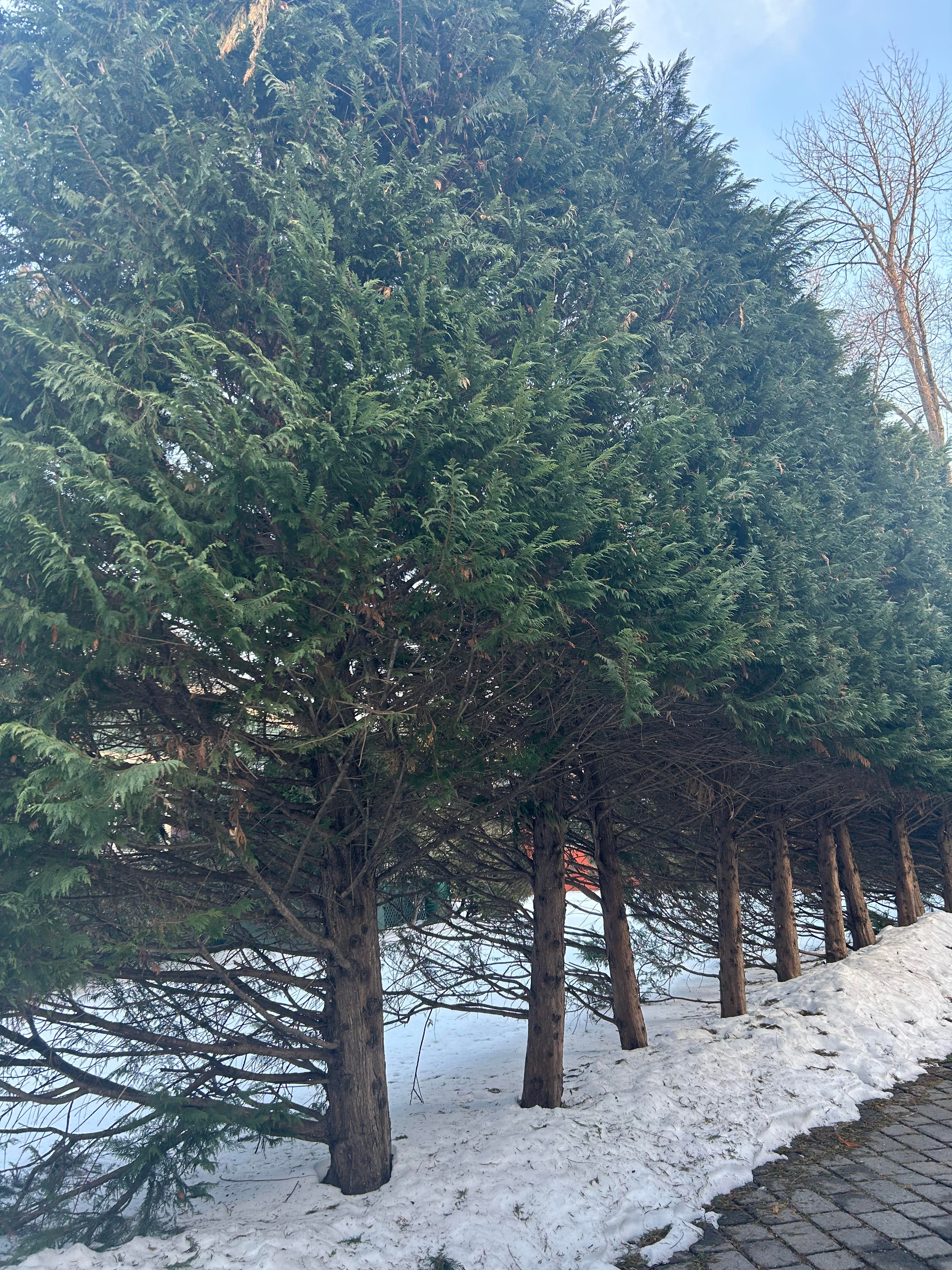
If you live in the northeastern United States, especially if you live in a more dense residential area, you’ve probably encountered the Leyland Cypress (Cupressus × leylandii). Homeowners love this fascinating tree because it grows quickly (3-4 feet per year) and can serve as a natural privacy fence.
When I first saw a Leyland Cypress, I wondered if it was native to New Jersey (or somewhere in USDA Zones 6 or 7), but it turns out it isn’t “native” to anywhere! It is a sterile hybrid that came into existence effectively by accident.
The Leyland Cypress is a botanical fluke. It is a cross between the Monterey Cypress (from California) and the Nootka Cypress (from Alaska). In the late 1800s, a wealthy landowner in Wales collected trees from all over the world for his arboretum. The California and Alaska trees were planted near each other—something that would never happen in the wild because their native ranges are thousands of miles apart.
These trees cross-pollinated, and the resulting seedlings were the fast-growing “super-hybrid” we now know as the Leyland Cypress. Because it is a hybrid, it is sterile; it doesn’t reproduce by seeds, only by cuttings.
Caring for a Leyland Cypress
If you plant one (or a row of them), they are relatively low-maintenance, but they have specific needs to prevent them from becoming a problem later.
Sun: They need full sun (at least 6 hours a day). If planted in shade, they will become thin and scraggly.
Soil: They prefer well-drained soil. If your yard has heavy clay that stays wet (common in parts of NJ), they may develop root rot (Phytophthora), which is a common killer of these trees.
Spacing (Crucial): This is the #1 mistake people make. They plant them 3 feet apart to get privacy now.
Do not do this. These trees can get massive. Plant them at least 8–10 feet apart. If you plant them too close, they will choke each other out and the inner branches will die, leaving you with a brown, dead wall.
Pruning: You must commit to pruning since they grow so quickly. If you don’t top them or trim the sides, they can easily reach 60+ feet tall, which can overwhelm a small backyard.
Don’t Miss These Deals
Native Wildflower Mix Northeast - $11.21 at American Meadows
Start building your pollinator paradise that works around the clock. Bees, butterflies, and hummingbirds need nectar from spring to frost and this Northeast mix delivers with 19 native species blooming in waves. American Meadows just dropped their 1/4-lb size to $11.21 (was $14.95). Perfect timing for February seed starting. Get those perennials established now for years of wildlife habitat.
Bird Wish with Auto-Thermostat - $28 on Amazon
For those in the northern hemisphere still experiencing frigid weather, birds need unfrozen water as badly as I need my morning coffee. This heated bird bath keeps water open even with it’s 10 degrees out, which is critical for winter survival. The Bird Wish just dropped to $28 (usually it’s $60+). The auto-thermostat means it only heats when needed. Your cardinals will thank you.
Rain Barrel 50-Gallon Collapsible - $36.27 at Walmart
Water falls from the sky for free! This 50-gallon collapsible rain barrel just hit $36 at Walmart (usually $90+). Captures roof runoff so you have a chlorine-free reservoir for your garden—and it folds flat for winter storage. Spring rains are coming.
Elderberry Bushes - $11.95 at Northern Ridge Nursery
Plant an elderberry and you’re planting a pharmacy AND a bird buffet. The berries are immune-boosting for you, and songbirds go absolutely feral for them in late summer. Northern Ridge has 2-3ft bare root plants for $11.95 (40% under typical retail price). Ships now through mid-February—get it in the ground before spring.
Other Items We’re Monitoring
Soil Health
Bokashi Bin Kits: Right now, these premium start kits with bran included are $65.65 on Amazon, which feels pricey. But these are selling fast right now.
Wildlife Infrastructure
Bat Houses (Cedar): Multiple certified options on Amazon - Kenley, Whitehorse, INCLY. The price ranges swing wildly here, though, from $24 to $120.
Water Management
Olla Watering Pots: Michael’s has 2.9-gallon pots for $87.98, which feels really high.
Living Lawn
White Dutch Clover Seed: OutsidePride has inoculated varieties on Amazon for $17.99, which could be worth it.
Resource of the Week
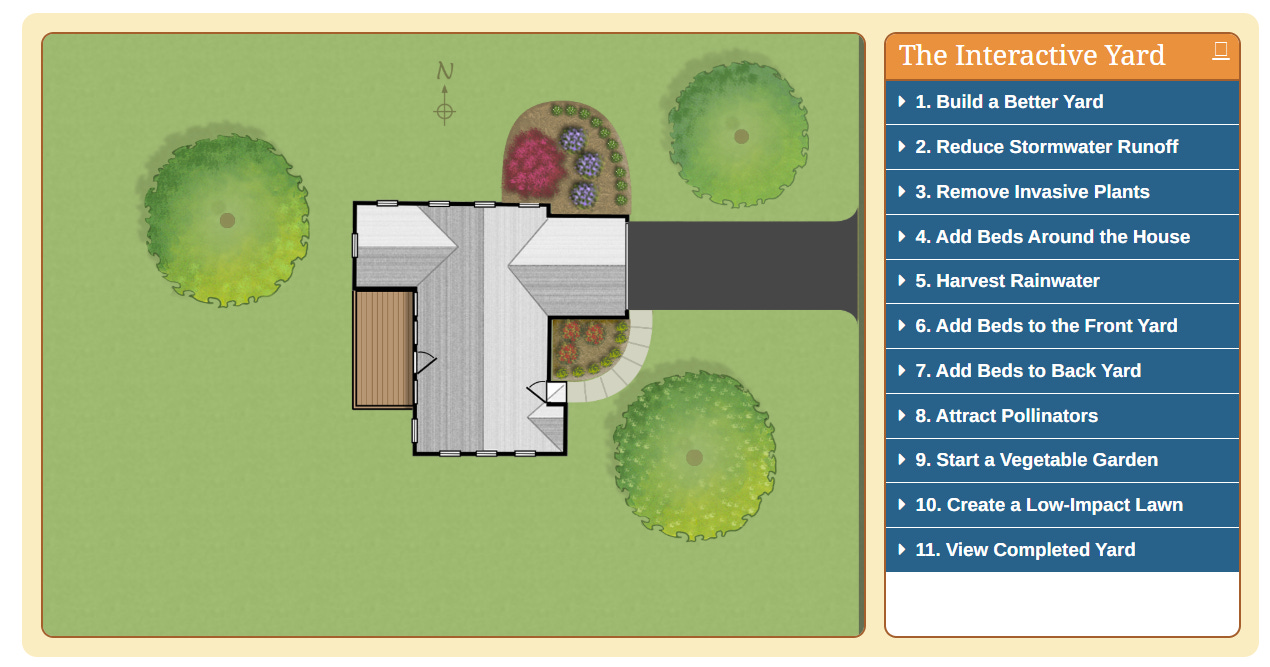
This is a bit of a New Jersey-centric resource, but I think it can help most northern hemisphere folks with planning. Check out the Interactive Yard, a tool to help learn about the basic concepts behind transforming your yard into a environmentally-friendly ecosystem.