


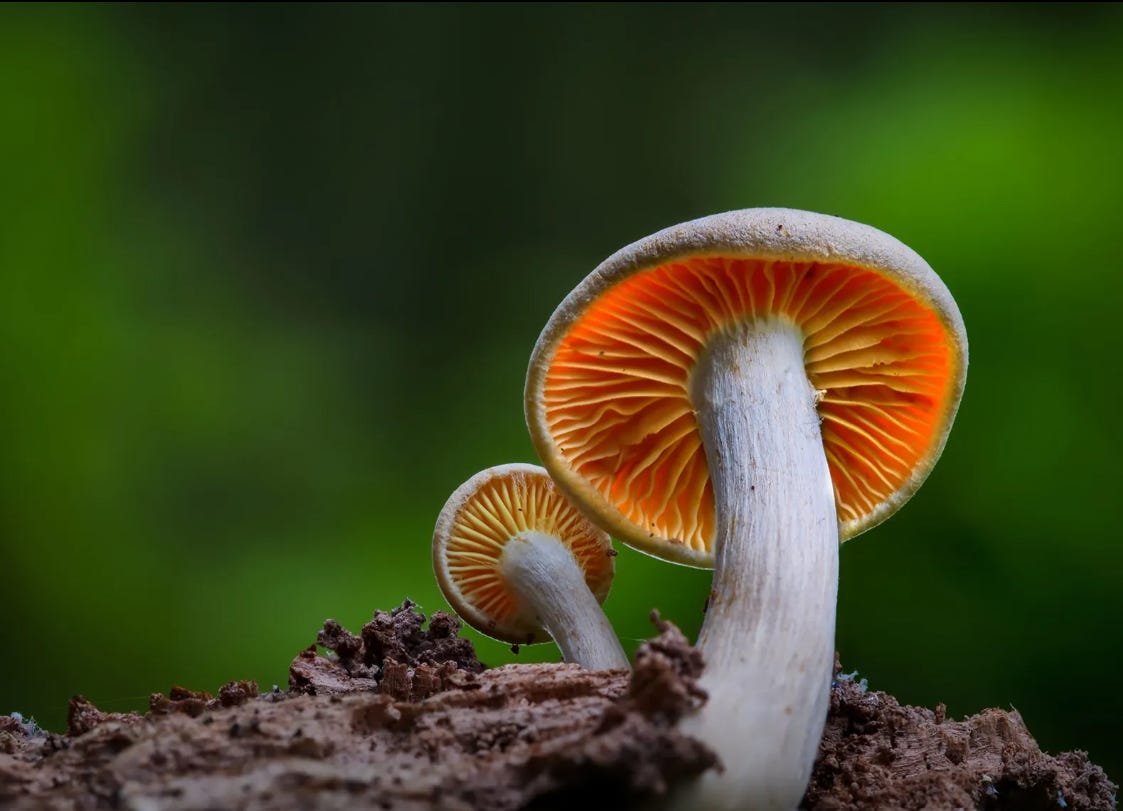
When we think of a healthy yard, we usually look up at the green leaves and colorful blooms. But the real magic of a connected ecosystem happens underground. Beneath the surface of every thriving native yard or landscape is a complex, microscopic web known as mycorrhizal fungal networks.
In Central New Jersey (and many other places, unfortunately), our suburban soils are often compacted, stripped of nutrients, or “sterilized” by years of chemical fertilizers. Our whole goal at Gardening Scout is to help homeowners and property owners “re-wild” their soil by inviting the fungi back home. We aim to provide the info and even deals on supplies, plants, seeds and other items to help them do it.
What is the “Wood Wide Web”?
Most native plants don’t grow in isolation; they form a symbiotic relationship with beneficial fungi.
The Deal: The plants provide the fungi with sugars (made via photosynthesis).
The Return: In exchange, the fungi extend their reach to bring the plants water, phosphorus, and nitrogen that the roots couldn’t reach on their own.
When you have a robust fungal network, your plants become more drought-tolerant, disease-resistant, and better connected to the trees around them.
3 Ways to Inoculate and Protect Your Soil This Spring
If you want to move toward a more resilient, connected approach, you have to stop treating your soil like dirt and start treating it like a lung. Here is what you can do right now:
1. Ditch the “Double-Bagged” Mulch
Those bags of dyed red or black mulch from the big-box store are often treated to resist decay. In an ecosystem, decay is the goal.
The Action: Look for “arborist wood chips.” These are the raw, shredded remains of local trees. Because they contain a mix of wood, bark, and leaves, they are the perfect “starter fuel” for native fungi.
The Result: As these chips break down, they invite local mycelium to rise to the surface, creating a sponge-like layer that holds moisture during those humid NJ Augusts.
2. Stop the “N-P-K” Addiction
Synthetic fertilizers are like “fast food” for plants. They provide a quick hit of nitrogen, but they actually signal the plant to stop “trading” with fungi. Over time, the fungal networks wither away because the plant doesn’t need them anymore.
The Action: This spring, skip the chemical pellets. Instead, top-dress your garden beds with an inch of high-quality organic compost or leaf mold.
The Result: You aren’t just feeding the plant; you are providing the biological building blocks for the fungi to expand.
3. Practice “No-Till” Planting
Every time we rototill a garden bed or aggressively shovel-turn the soil, we are essentially “shredding” the underground highway that the fungi have spent years building.
The Action: When adding new native perennials this spring, use the “surgical strike” method. Dig a hole just big enough for the root ball, tuck it in, and leave the surrounding soil structure intact.
The Result: By leaving the soil undisturbed, you preserve the existing fungal threads (hyphae) so they can immediately plug into your new plant’s roots.
The Goal: A Yard That Breathes
By focusing on fungal networks, you’re doing more than just growing flowers; you’re building a resilient, self-sustaining system. A “fungal-forward” yard requires less water, survives the winter better, and becomes a vital node in the larger New Jersey ecological corridor.
Next time you’re out in the yard, take a look under a handful of old leaves. If you see those tiny white, thread-like structures, congratulations—your ecosystem is officially coming online.
Don’t Miss These Deals
Ceramic Toad House - $17.87 at Walmart (typically ~$20)
Your garden’s night shift pest control is looking for housing. A single toad devours 100+ slugs, beetles, and grubs per night-no chemicals needed. Tuck it in a shady, moist corner near your hostas or lettuce beds and let nature’s pest control move in rent-free.
Olla Watering Pot - $9.97 at Walmart (typically $25)
Ancient irrigation meets modern convenience. Ollas save up to 70% of your watering while keeping plants perfectly hydrated. Bury it next to your tomatoes or peppers, fill weekly, and watch your plants thrive with zero daily watering. The 100% terracotta slowly seeps water directly to roots-drought-proof gardening made simple.
Winter Rye Clover Cover Crop Seed Mix - 5lbs for $12.39 at True Leaf Market (typically closer to $25)
Cover crops fix nitrogen from the air, prevent erosion, and suppress weeds naturally. Get seeds in the ground so spring rains do the watering for you.
Pawpaw Tree - $33.99 at TN Nursery (typically ~$40)
Grow America's largest native fruit in your backyard. Pawpaws taste like tropical fruit but survive rough winters. They blend banana, mango, and melon flavors while feeding zebra swallowtails.
Winterberry Holly - $18.50 at Kollar Nursery (typically ~$30)
Plant a winterberry holly and you’re creating a bird diner that stays open all winter. When everything else is bare and brown, winterberry blazes with brilliant red berries that feed 48 bird species through the coldest months. These native beauties need wet soil, so perfect for that soggy corner where nothing else thrives.
Stirrup Hoe - $15.99 at Walmart (typically ~$35)
Cut weeds without disturbing your soil’s living ecosystem. The stirrup hoe’s oscillating blade slices weeds just below the surface on both push and pull strokes-no deep digging, no chopping up earthworms, no destroying soil structure. Spring prep time is here-get your weeds under control before they get ahead of you.
Shiitake Mushroom Plugs - $50 at Field & Forest Products (pricey, but these aren’t often in stock)
Turn dead logs into gourmet mushroom factories that feed you for years. Shiitake plugs inoculate fallen branches with medicinal mushrooms, nature’s ultimate recycling program. Though over our target pricing, spring is perfect timing to inoculate fresh-cut logs before the bark tightens. One successful log produces pounds of $12/lb shiitakes for 3-5 years. Installation now = harvest by fall.
Resource of the Week
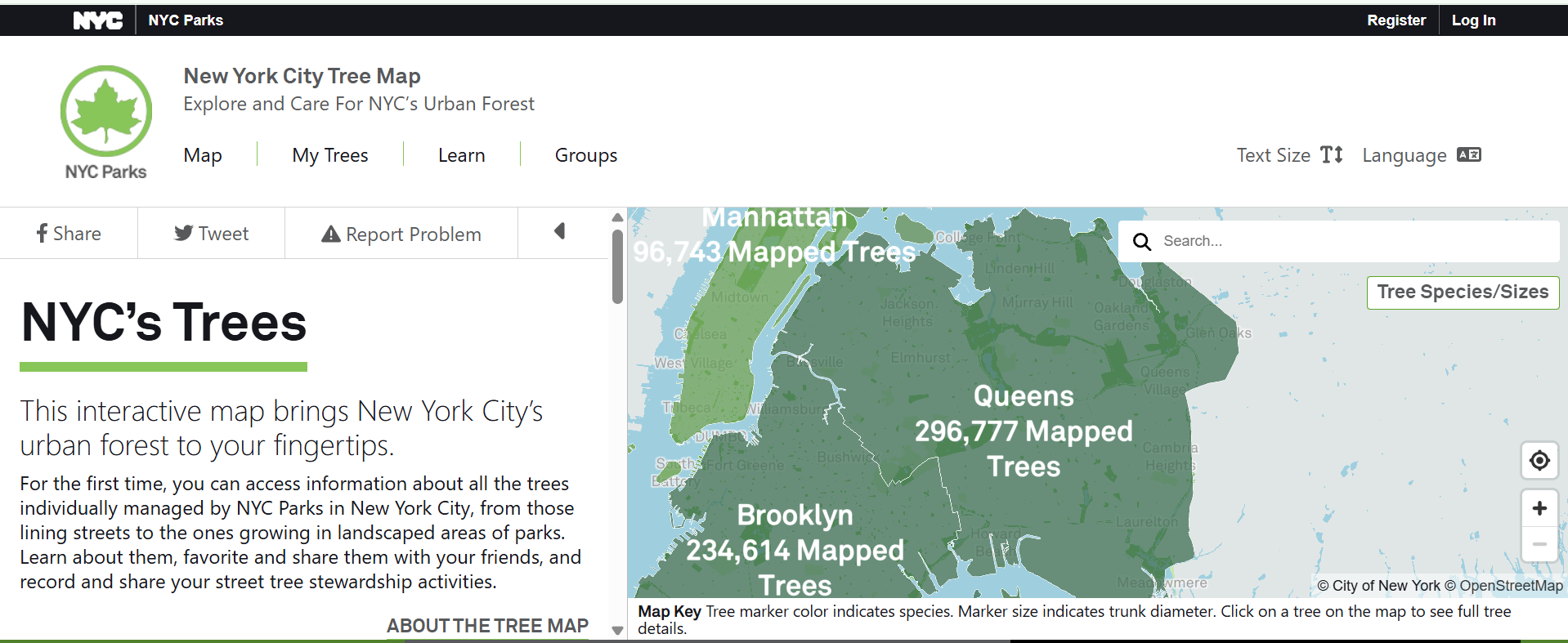
Maybe this is less of a resource and more of just a really cool project - The New York City Tree Map!
I have lived in the NYC metro area for 15 years and worked in the city for almost 13 of those years. I even had a few jobs that connected me with the NYC Parks department regularly. But I never new the tree map was a thing until I made a recent video about the unique qualities of urban trees.
The tree map has marked 888,020 trees throughout the five boroughs. That’s 540 separate tree species (did you know the London planetree is the most popular species in NYC?). It even tracks various maintenance activities happening for each tree.
Kudos to NYC Parks for such an incredible tool. I suggest checking it out and identifying the trees that you may not have seen the last time popped out of the office for lunch or visited your favorite NYC landmark.
As always, you can follow The Gardening Scout on Instagram, BlueSky and TikTok.